The Hidden Dangers of Disturbed Asbestos Dust
If you interrupt materials with asbestos, you'll release microscopic fibers right into the air— so tiny, you can not see, odor, or taste them. Once inhaled, these fibers lodge deep in your lungs, remaining there for years and raising your danger of asbestosis, lung cancer, and mesothelioma cancer. Even a small renovation blunder can unconsciously spread unsafe dust throughout your home. Next off, you'll uncover where concealed asbestos threats hide and what actions to take for defense.
Takeaways
- Troubling asbestos-containing materials releases tiny fibers right into the air, which are unnoticeable, odor free, and exceptionally hazardous when inhaled.
- Airborne asbestos fibers can remain suspended for hours or days, making indoor contamination hard to regulate and have.
- Breathing of asbestos dirt can cause severe long-term conditions like asbestosis, lung cancer, and mesothelioma cancer, often showing up years after exposure.
- Typical renovation blunders, such as sanding or spying up old ceramic tiles, can unintentionally launch big amounts of asbestos dust into the home.
- Only licensed specialists ought to take care of suspected asbestos, as inappropriate removal methods significantly boost the danger of unsafe direct exposure.
What Is Asbestos Dirt and Why Is It Hazardous?
When asbestos-containing materials are disturbed, they launch tiny fibers into the air, referred to as asbestos dirt. You require to develop asbestos recognition due to the fact that even very little direct exposure to this dust can position substantial health threats. Asbestos dirt is harmful due to the fact that its fibers are small sufficient to be inhaled deeply into your lungs, where they can become lodged for years. Over time, this can result in major illness, consisting of asbestosis, lung cancer, and mesothelioma. The threat exists not in the visible particles, but in these unseen, airborne fibers. That's why dirt mitigation approaches are critical when dealing with or functioning near asbestos-containing products. Understanding what asbestos dirt is, and why it's so hazardous, is vital for safeguarding your wellness and making sure a safe atmosphere.
Exactly How Does Disturbing Asbestos Spread Harmful Fibers?
Troubling asbestos-containing products— such as breaking, drilling, reducing, or sanding-– releases microscopic asbestos fibers into the air, making them quickly breathed in. When you agitate asbestos by doing this, you create a setting where fiber aerosolization occurs. Asbestos frustration breaks the product's framework, displacing little fibers that end up being air-borne. Because these fibers are so small and light, they can remain put on hold in the air for hours or perhaps days. You could not see or scent these fibers, but inhaling them postures substantial wellness threats. Researches verify that even minimal disturbance can quickly boost air-borne fiber concentration. Appropriate precautions are critical, as day-to-day activities can cause asbestos agitation without caution. As soon as airborne, these fibers are difficult to have, increasing the possibility for direct exposure and long-lasting wellness consequences.
Where Does Asbestos Dirt Hide in Residences?
You might not understand that asbestos dirt can be concealed in several common locations of older homes, consisting of attic room insulation, certain flooring tiles, and pipe insulation. Research studies reveal that disturbing these materials can launch harmful fibers into your living atmosphere. It is necessary to know where these risks are probably so you can take suitable precautions.
Attic Insulation Risks
Recognizing attic room insulation hazards is vital, as asbestos dirt frequently prowls in older homes where insulation products like vermiculite may have hazardous asbestos fibers. If your home was constructed before the 1990s, you ought to be especially mindful— disturbed vermiculite insulation can launch air-borne asbestos, enhancing wellness risks. Attic bugs, such as rats or birds, can get worse the issue by tunneling into insulation, causing additional insulation deterioration and spreading asbestos fibers throughout your home. Also minor repair work or restorations in the attic room can unsettle aged insulation, developing a path for polluted dust to get in living rooms. To minimize risk, prevent disturbing attic insulation and speak with licensed experts if you think asbestos exists. Never try to eliminate or clean presumed asbestos materials on your own.
Old Flooring Tile Risks

Floor covering products are an additional typical resource of covert asbestos hazards in older homes. If your house was built prior to the 1980s, it's likely that flooring tile, especially 9-inch or 12-inch square varieties, can include asbestos fibers. When these tiles are worn, fractured, or poorly removed, they can launch asbestos dust into the air. Troubling old adhesive or backing during remodellings also increases your threat of exposure.
It's essential to understand that usual removal techniques, such as spying up ceramic tiles or sanding, can intensify the release of asbestos fibers. Professional abatement teams use specialized strategies and equipment to safely manage floor ceramic tile removal. If you suspect your floor covering contains asbestos, don't attempt elimination on your own. Always get in touch with licensed professionals to reduce wellness risks and avoid asbestos dust contamination.
Pipeline Insulation Threats
Wrapped-pipe insulation is an infamous wrongdoer for surprise asbestos dangers in pre-1980s homes. If you're residing in or renovating an older home, pay close attention to pipe insulation, especially the white or gray thermal covers framing hot water or heavy steam pipelines. Aging, split, or disrupted pipe insulation can release asbestos fibers, transforming a covert threat into a significant breathing threat. Asbestos in pipeline insulation isn't visible to the naked eye, so any kind of damage or dust need to be treated with caution and left uninterrupted.
Usual Places
Asbestos Threat Level
Visual Hints
Basement pipes
High
Fraying, breaking
Boiler links
Moderate
Fine-grained residue
Creep spaces
High
Brittle insulation
Constantly consult experts for safe evaluation.
What Takes place If You Breathe Asbestos Dust?
If you inhale asbestos dirt, you can experience immediate irritability in your nose, throat, and lungs. Over time, repeated direct exposure boosts your danger for major diseases like asbestosis, lung cancer, and mesothelioma. Scientific studies validate that even low levels of asbestos fibers airborne can have lasting health and wellness consequences.
Immediate Respiratory Wellness Dangers
When asbestos dust is breathed in, its tiny fibers bypass the body's natural breathing defenses and work out deep within the lungs. Also quick direct exposure can cause prompt breathing actions. You may experience irritation of the throat and nasal flows, leading to coughing, lack of breath, or chest tightness. Scientific researches suggest that asbestos fibers can prompt airway inflammation, a reaction where the cellular lining of your airways becomes inflamed and inflamed. This swelling increases your acute respiratory disease threat, particularly if you have pre-existing breathing problems or compromised immune feature. Acute bronchitis brought on by asbestos direct exposure is characterized by persistent cough and mucus manufacturing. These signs can show up within hours or days after breathing and usually need clinical examination to avoid difficulties or additional breathing distress.
Long-Term Illness Advancement
Although initial signs may seem mild or momentary, inhaling asbestos dust can set in activity a progressive procedure that results in major, often permanent diseases. You may not notice any type of immediate effects, yet asbestos fibers can become lodged deep in your lung cells. In time, this exposure raises your danger of developing problems like asbestosis, lung cancer cells, and mesothelioma. These health problems usually manifest decades later, a sensation called work-related latency. The time in between exposure and disease start can cover 10 to 40 years, making early detection challenging. Your specific danger isn't uniform— genetic vulnerability plays a considerable role in just how your body reacts to asbestos. Even limited or short direct exposure can have long-term effects, particularly if your workplace does not have proper precaution.
Why Can't You Find Asbestos Dirt by Sight or Scent?
Since asbestos fibers are microscopic and do not have any distinct odor, you can not rely on your senses to identify their visibility in dirt. This constraint means that even if an area appears tidy or risk-free, hazardous fibers might still exist. Aesthetic detection is nearly difficult because asbestos fibers measure regarding 0.01 to 10 microns in size— a lot smaller sized than what the nude eye can see. Furthermore, the odorlessness effects are substantial: you won't notice asbestos by scent, so there's no sensory warning when you're at danger. Think about these vital realities:
- You can not see asbestos dirt without customized equipment.
- Asbestos fibers have no taste or smell, making them undetected by scent.
- Relying on sight or smell alone puts you in danger for unintended direct exposure.
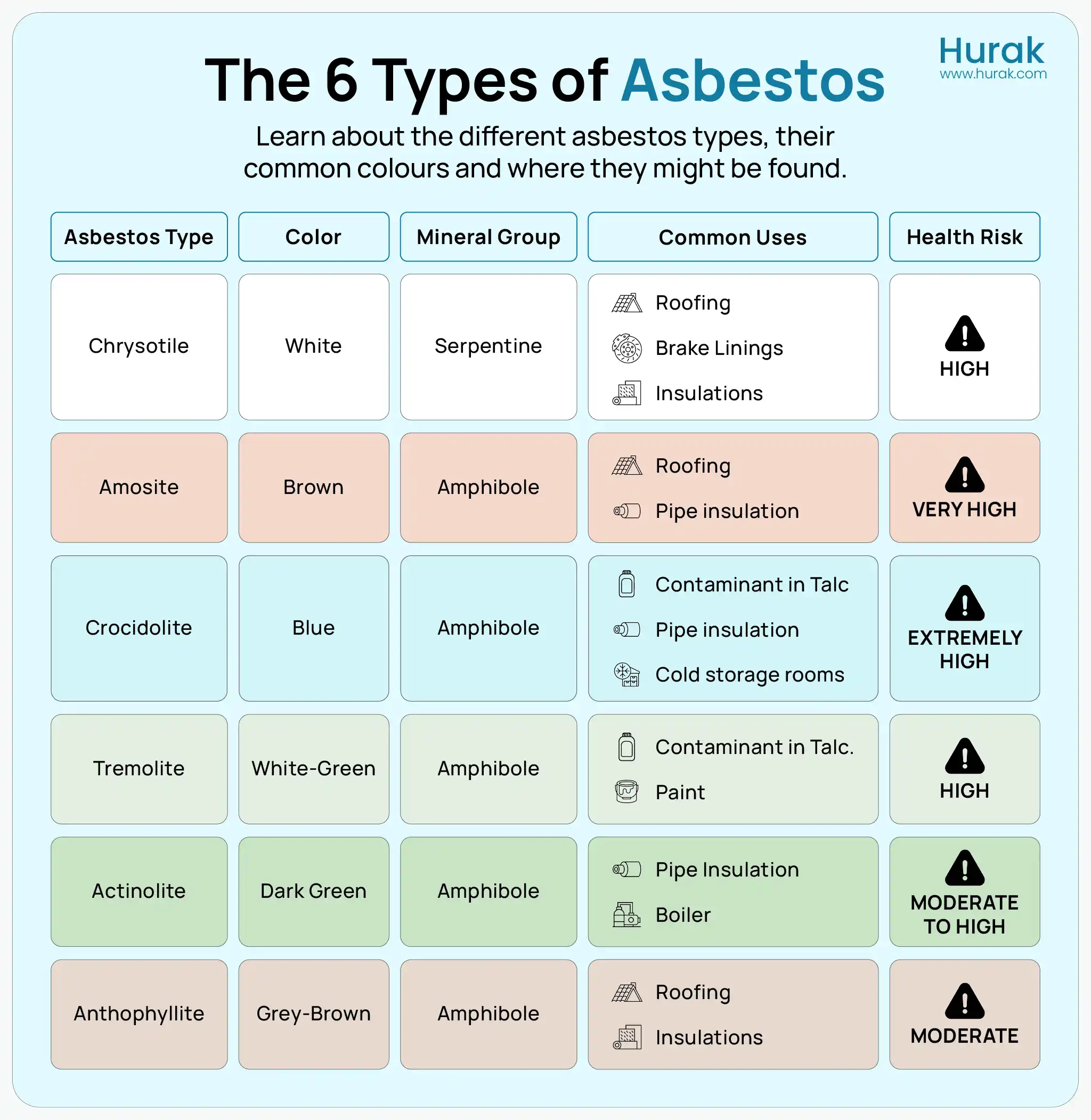
Improvement Errors That Launch Asbestos Dust
Given that asbestos dust can not be detected by view or scent, common improvement tasks can unknowingly place you in danger. When you execute incorrect demolition, such as taking apart wall surfaces or ceilings without looking for asbestos-containing products, you interrupt asbestos fibers, which then become airborne. Even small errors, like getting rid of old flooring tiles or insulation carelessly, can generate dangerous dirt. Hazardous sanding of surfaces that may consist of asbestos— like classic drywall, joint substance, or distinctive paint— likewise launches microscopic fibers right into the air. These blunders take place regularly in homes developed before the 1980s, when asbestos was extensively made use of. Without proper precautions and screening, you may unintentionally infect your indoor atmosphere, raising health risks for any person inside. Always get in touch with specialists prior to beginning any kind of remodelling job.
Who's Most at Danger for Asbestos Direct Exposure?
While any person can be revealed to asbestos, certain groups face noticeably higher threats due to the frequency and nature of their call with asbestos-containing products. If you function in details industries or live near contaminated websites, your risk enhances considerably. Job-related exposure is the primary concern for people who deal with, disrupt, or remove asbestos throughout their daily tasks. Nevertheless, ecological contamination also postures a hazard, specifically to those living near old building sites or wearing away buildings. You need to realize that the following teams are most in jeopardy:
- Workers in construction, demolition, shipbuilding, and asbestos abatement.
- Member of the family of workers who accidentally bring asbestos fibers home on clothing.
- Homeowners living near asbestos mines, factories, or infected demolition sites.
Acknowledging these dangers is important for avoidance. raised floor removal
Just How to Securely Take Care Of Asbestos Dust at Home
If you think asbestos may exist in your house, it's crucial to come close to dust administration with extreme caution to reduce health and wellness risks. Asbestos fibers are microscopic and can become airborne with minimal disruption. You ought to avoid vacuuming, sweeping, or dusting products you assume may consist of asbestos, as these tasks can raise fiber dispersion. Rather, limit accessibility to the area and do not touch or move potentially infected products.
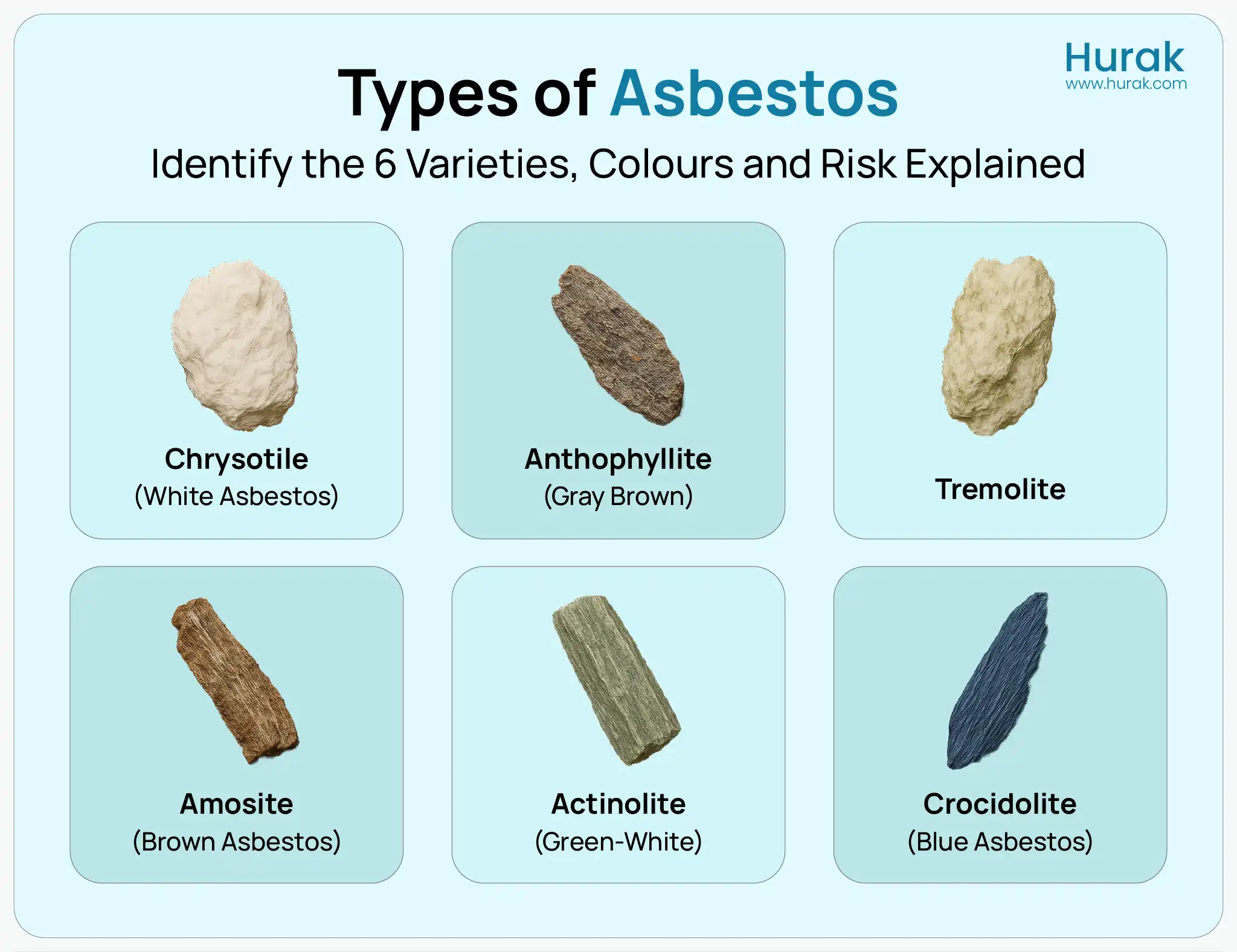
Involve qualified experts for air surveillance to analyze fiber concentration and contamination levels. They can likewise carry out safety clean-up utilizing specific tools, such as HEPA-filtered vacuums and damp techniques, which lower air-borne dirt. Never ever try remediation yourself; inappropriate handling increases exposure risks. Effective management relies upon containment, expert assessment, and evidence-based treatments to protect your wellness.
Lawful Duties for Home Owners Taking Care Of Asbestos
Past risk-free administration practices, you're also in charge of meeting particular legal obligations when asbestos exists in your house. As a homeowner, your obligations expand past individual safety and security to include conformity with policies established by local or national authorities. If you prepare to market or rent your residential property, disclosure commitments require you to educate prospective purchasers or lessees concerning any type of well-known asbestos-containing products. Stopping working to conform can lead to legal and monetary consequences. To make sure you're satisfying all needs, think about the following:
- Recognize and document: Have actually asbestos expertly determined and maintain comprehensive records.
- Disclose information: Provide all understood information about asbestos presence to purchasers or tenants as called for by legislation.
- Comply with elimination laws *: Just licensed experts* need to get rid of asbestos, adhering to regulatory guidelines.
What to Do If You Assume You've Been Revealed to Asbestos?
If you suspect you've experienced asbestos dirt, it's crucial to decrease more exposure by leaving the location and preventing call with infected apparel. You should speak with a medical care specialist quickly, as early clinical examination can aid examine prospective threats. Evidence-based standards recommend recording your exposure information to sustain precise analysis and future tracking.
Immediate Safety Precautions
Although asbestos fibers are unnoticeable to the nude eye, any uncertainty of exposure warrants prompt action to lessen wellness risks. You shouldn't overlook the possibility of contamination, as inhaling just a percentage of asbestos can be harmful. To minimize further direct exposure, comply with these evidence-based, technical steps:
- Leave the Location: Leave the polluted room promptly to avoid breathing in added fibers. Avoid troubling dust or particles as you leave.
- Avoid Cross-Contamination: Eliminate any clothes that may have asbestos dust and seal it in a plastic bag. Usage disposable personal safety tools if available.
- Control Air High Quality: Turn off ventilation systems and use high-efficiency air filtering systems if available, to restrict airborne fiber spread within the area.
These actions assist include risks till specialist remediation takes place.
Seeking Clinical Assessment
Once you've taken prompt security actions to restrict additional asbestos direct exposure, punctual clinical analysis ends up being needed. You ought to educate your doctor about the occurrence, outlining the nature and period of your direct exposure. A extensive exposure assessment will aid determine your individual risk and overview further activities. Your company may suggest standard imaging, such as a breast X-ray or CT scan, even if you don't have signs, to develop a referral factor for future monitoring. In many cases, a professional referral to a pulmonologist or job-related medication specialist is warranted for advanced assessment and recurring surveillance. Early intervention can't turn around asbestos-related diseases, but regular surveillance enhances the chance of detecting difficulties— such as asbestosis or mesothelioma cancer— at an earlier, a lot more convenient stage.
Frequently Asked Questions
Can Animals Be Influenced by Asbestos Dirt Exposure?
Yes, pet dogs can be impacted by asbestos dirt direct exposure. When your animals breathe in or consume asbestos fibers, their health may be at risk, comparable to people. Pet direct exposure to asbestos can cause breathing issues, lung inflammation, or perhaps cancer cells in time. To protect pet health, you need to keep them far from locations where asbestos is suspected or disturbed, and get in touch with a vet if you assume your animal's been exposed.
Does Asbestos Dirt Pick Garments or Personal Items?
Yes, asbestos dust can settle on clothes and personal things, leading to infected washing and potential additional direct exposure. If you operate in atmospheres with workplace direct exposure, asbestos fibers may stick to your clothing, shoes, or devices. Scientific studies show that laundering contaminated garments can release asbestos fibers, posturing wellness risks to family participants. Appropriate decontamination treatments and personal safety equipment are necessary to prevent asbestos from leaving the worksite and polluting your home.
Is Asbestos Dirt Unsafe to Plants or Gardens?
You could be stunned to discover that over 60% of asbestos fibers can linger in soil for years, causing dirt contamination. While asbestos dust isn't straight harmful to plants, fibers can settle in garden dirt, posing a risk with prospective root uptake. Existing proof reveals very little absorption by plant roots, but polluted dirt can threaten people and pets who interrupt it. It's vital to protect against asbestos dirt from reaching your garden environment.
Can Air Purifiers Remove Asbestos Fibers From the Air? commercial asbestos removal
Yes, you can use air purifiers to assist eliminate asbestos fibers from the air, however only if they're geared up with real HEPA purification. HEPA filters are designed to capture bits as small as 0.3 microns, which includes most asbestos fibers. Nonetheless, not all mobile cleansers have this capability, so you'll require to inspect requirements meticulously. It's essential to keep in mind that HEPA filtering doesn't eliminate the resource— expert removal is still essential. asbestos ceiling removal
For How Long Do Asbestos Fibers Stay Airborne After Disruption?
Visualize dirt motes frozen in sunlight— so as well can asbestos fibers remain. You should recognize that due to their small fragment dimension and low thickness, asbestos fibers' airborne determination can last anywhere from a couple of hours to numerous days after disruption, depending upon air movement and task levels. Scientific studies reveal that without correct ventilation or cleansing, these tiny fibers might continue to be suspended much longer than regular dust, increasing the risk of breathing exposure.